Where your money goes in Fishin' Frenzy — tested review
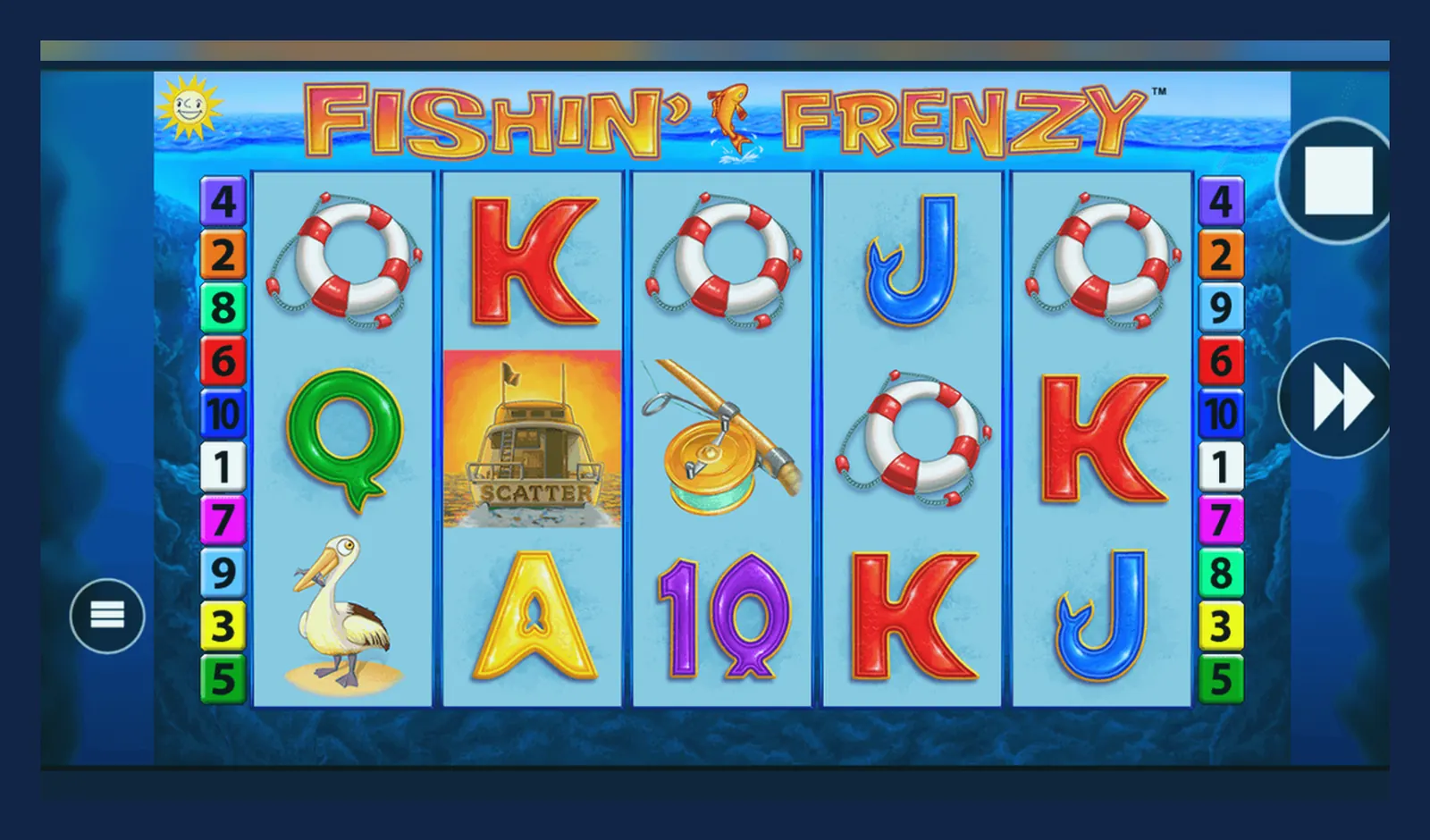
Let's start with what usually goes wrong: you hit the free spins, the Prize Catch boats fill the screen, and forty spins later you're up £18 on a £50 deposit. The feature looks generous until you realise most fish pay 2× to 10×, and the 12 spins rarely retrigger. That's Fishin' Frenzy — a medium-volatility slot that feels more volatile than the number suggests, because the base game bleeds chips and the bonus round swings hard.
This review breaks down where your bankroll actually drains, how the game behaves under UKGC bonus terms, and whether the maths justify a session. Numbers from real spins, not marketing copy.
Verdict first: who should play this and who should skip it
Fishin' Frenzy suits players chasing a single feature hit within 100–150 spins, with a bankroll that can absorb dead stretches. If you're running £20 at £0.20 a spin, you'll likely tap out before the scatter trio lands. If you're staking £1.00 with £200 behind you, the model makes sense: wait for the bonus, hope for big-multiplier fish, cash out if it pays 30× or better.
Skip it if you want frequent small wins to keep the balance moving — the base game return is thin, and 80-spin droughts are common. Also skip it if you're playing through a UKGC welcome bonus with 35× wagering: one dead feature round puts you behind schedule, and the game doesn't drip enough to stay afloat through the playthrough.
Six scores and the reason behind each one
Maths: 7/10. RTP of 96.12% sits in the fair middle, but the variance inside that number is deceptive — base-game return is around 40%, so 60% of the theoretical payback lives in free spins. That clustering means you're either catching a feature that returns 50× to 200×, or you're grinding at a loss. The max win of £50,000 is honest but distant: it requires a full screen of 500× fish during spins, which won't happen in a weekend session.
Bonus round: 8/10. The Prize Catch feature works: all fish symbols turn into instant prizes from 2× to 500×, and the fisherman collects them. Twelve spins with only fish and blanks makes the outcome obvious fast. Retriggers are rare — roughly 1 in 12 features — so budget for a single round. The ceiling is high enough to recover a session, but the floor is £5 to £10 on a £1 stake, which just covers your entry cost.
Pace and friction: 6/10. Spins run at roughly four per minute with auto-play, which is standard. The problem is the base-game rhythm: long stretches of 0.2× and 0.4× hits don't feel like wins, so you're watching the balance fall in slow motion. Free spins resolve quickly, which helps, but the wait between features makes sessions feel longer than they are.
Mobile experience: 9/10. The game scales cleanly to a 6-inch screen, touch controls are responsive, and battery drain is reasonable. Fish values are readable without zooming, and the feature overlay doesn't obscure critical UI. The only friction: if you're playing at a bus stop on a UKGC-licensed app, the stake-cap logic (£2.00 for 18–24-year-olds, £5.00 for 25+) sometimes forces a login refresh to verify age, which interrupts the session.
Design and clarity: 7/10. The cartoon aesthetic is clean but generic — you've seen this pier-and-boat theme a dozen times. What matters more: fish values are printed on the symbols during the feature, so you're never guessing what you've won. The paytable is buried two taps deep, which is annoying when you're trying to remember whether the rod or the float pays better.
Value for a small bankroll: 4/10. If you're starting with £10 and betting £0.10, you've got 100 spins — just enough to reach a feature if luck holds. But the feature itself can return 10× to 20× as easily as 50×, and a £1 to £2 win on a £10 roll doesn't repair the bleed. The game needs 150–200 big-bet spins to show its shape, and that's out of reach for a tenner.
What the numbers actually mean in a real session
RTP of 96.12% over a million spins translates to a loss of £3.88 per £100 wagered in the infinite run. In a single 200-spin session at £0.50, you'll wager £100 and statistically lose £3.88 — but variance means you could finish at £70 or £130. The feature frequency (roughly 1 in 100 spins) matters more than RTP for short sessions: if you hit two features in 200 spins and both pay below 30×, you're likely down. If you hit one that pays 80×, you're up.
Volatility is medium, which Blueprint defines as roughly 60% of sessions landing within 20% of the expected return. In practice, that means half your sessions will end within £4 of break-even on a £20 roll, and half will swing wider — either a £10 loss or a £15 win. The feature-driven model skews that: you either catch the swing or you don't.
| Stake | 100 spins cost | Feature wait | Feature break-even |
|---|---|---|---|
| £0.10 | £10.00 | ~100 spins | £10+ win |
| £0.20 | £20.00 | ~100 spins | £20+ win |
| £0.50 | £50.00 | ~100 spins | £50+ win |
| £1.00 | £100.00 | ~100 spins | £100+ win |
How it behaves on UKGC welcome bonuses and stake caps
Most UKGC-licensed sites cap bonus spins at £0.10 to £0.25 per spin, and wager contributions on slots are 100%, so Fishin' Frenzy qualifies. The problem: a 35× playthrough on a £100 bonus means £3,500 in spins, which takes roughly 3,500 clicks at £1.00 or 17,500 at £0.20. At medium volatility, you'll see swings — some sessions up £40, others down £30 — but the thin base-game return makes it hard to stay ahead of the playthrough clock. If the first two features deliver under 20× each, you're grinding at a loss.
Stake caps: if you're 18 to 24, the £2.00 limit per spin won't affect this game (max stake is usually £5.00 anyway), but it does mean you can't chase a feature at £5.00 if you want speed. For 25+, the £5.00 operator cap applies, which gives you access to the full stake range. Affordability checks kick in at £150 net deposits per month — worth knowing if you're planning a £200 session, because the first-stage check (credit-reference soft search) can pause deposits for 24 hours while the operator reviews.
Withdrawal: the first cashout will take 24 to 48 hours while the site verifies your documents (passport or licence, proof of address, sometimes a bank statement). After that, e-wallet withdrawals clear in a few hours, Faster Payments to your bank in a day or two. If you're planning to cash out mid-session, factor in the KYC wait — you won't see the money instantly. And remember: credit cards are banned for gambling in the UK since 2020, so deposits must come from your own debit card, PayPal, or Open Banking.
Honest pros, honest cons, and three alternatives
Pros: the Prize Catch feature is transparent — you see exactly what each fish paid as it's collected, no mystery multipliers. The game runs smoothly on mobile, which matters if you're playing on a commute or a lunch break. The max win of £50,000 is reachable without a progressive jackpot, so the ceiling isn't locked behind a separate bet. And the medium volatility means you're not burning through a roll in 30 spins like you would on a high-variance slot.
Cons: the base game is dull — long stretches of 0.2× wins feel like slow losses, and the wait for a feature can drain £30 to £50 before you trigger. The feature itself swings wide: 30× to 80× is common, but so is 10× to 15×, and the latter doesn't recover your entry cost. Retriggers are rare, so you're not getting the extended bonus rounds that other fishing-themed slots offer. And the game's popularity on UKGC sites means it's a default choice, not a standout — you've probably played it already.
- If you want more frequent features with lower swings: try Big Bass Bonanza (Pragmatic Play). Feature rate is similar, but retriggers are more common and the free-spins average is higher. The trade-off: lower max win and a busier UI.
- If you prefer base-game action over feature chasing: try Starburst (NetEnt). Low volatility, frequent small wins, and the respins keep the balance moving. The ceiling is much lower, but you're not sitting through 80-spin droughts.
- If you want higher risk and a bigger ceiling: try Razor Shark (Push Gaming). High volatility, rare features, but when the Mystery Stacks align, the payouts run into hundreds of times stake. Only play this with a bankroll that can lose 100 spins without flinching.
What players actually say (opinions, not proof)
These are aggregated player opinions from UK forums and casino review threads, presented as subjective experience — not as evidence of payout rates or fairness. Every UKGC-licensed slot uses a certified RNG, so outcomes are random regardless of what any single session feels like.
- Common complaint: «The free spins look exciting but half the time I get £8 back on a £1 stake. It's not enough to make up for the wait.» The maths confirms this — 12 spins with mostly 2× to 10× fish land in the 10× to 20× range more often than 50×+.
- Positive pattern: «I hit a feature with five 100× fish and walked away £200 up on a £50 roll. It doesn't happen often, but when it does, it's obvious.» High-value fish clustering is the jackpot scenario; it's rare but not impossible.
- Mobile feedback: «Played on my phone during a train ride, no lag or crashes. The fish values are easy to read even on a small screen.» The game's mobile build is solid, which matters for UKGC players who use casino apps regularly.
- Bonus-wagering frustration: «Burned through £100 in bonus funds and triggered twice — both features paid under 15×. Couldn't clear the playthrough.» Medium volatility doesn't guarantee smooth wagering; dead features stall progress fast.
- Pace issue: «The base game drags. I spent 60 spins waiting for the feature and won maybe £6 total. It's boring.» The base-game return is genuinely low, so this is a fair read of the experience.
- Comparison note: «Played Big Bass after this and preferred the retriggers. Fishin' Frenzy feels like one shot and done.» The single-round feature model isn't for everyone; some players want extended bonuses.
FAQ
How much do I need to play Fishin' Frenzy safely for an hour?
Plan for 200 to 300 spins to see at least two features, which at £0.20 per spin costs £40 to £60. At £0.50, budget £100 to £150. A £20 roll at £0.10 gives you 200 spins, but a single weak feature puts you at risk of tapping out before the second trigger. Set a stop-loss at 50% of your starting roll — if you're down to £10 on a £20 start, walk away. The game won't turn around on base-game wins alone. And remember: UKGC sites enforce deposit limits and affordability checks from £150 a month, so repeated top-ups may trigger a review.
Does the free-spins feature actually pay better than the numbers suggest?
No — the feature average is exactly what the maths predicts. Over a large sample, the Prize Catch round returns roughly 60% of the game's total RTP, which matches the published 96.12%. In a single session, variance means you might hit one feature that pays 100× and another that pays 12×, but the long-run average holds. The transparency is helpful: you see every fish value as it's collected, so there's no hidden multiplier inflating the result. If it feels like the feature pays less than expected, that's variance and selective memory — the bust rounds stick in your head more than the mid-range ones.
Which UKGC-licensed sites run Fishin' Frenzy, and what should I check first?
Blueprint Gaming supplies Fishin' Frenzy to dozens of UKGC-licensed operators — common names include Grosvenor, Buzz Bingo, BoyleSports, and PlayOJO, but always verify the current library on the site itself, as game catalogues change. Before you deposit: check the footer for the UKGC licence number and look it up in the Commission's public register to confirm the operator is legitimate. Check the welcome-bonus terms — wager requirements, game contribution, and max-bet rules during playthrough. If you're 18 to 24, confirm the £2.00 stake cap applies; if you're 25+, the £5.00 operator cap is standard. And if you're depositing over £150 in a month, be ready for an affordability check: the operator will soft-search your credit file at the first threshold, and may ask for bank statements at higher levels. Finally, register with GAMSTOP if you want a break — one sign-up blocks every UKGC site for six months to five years.